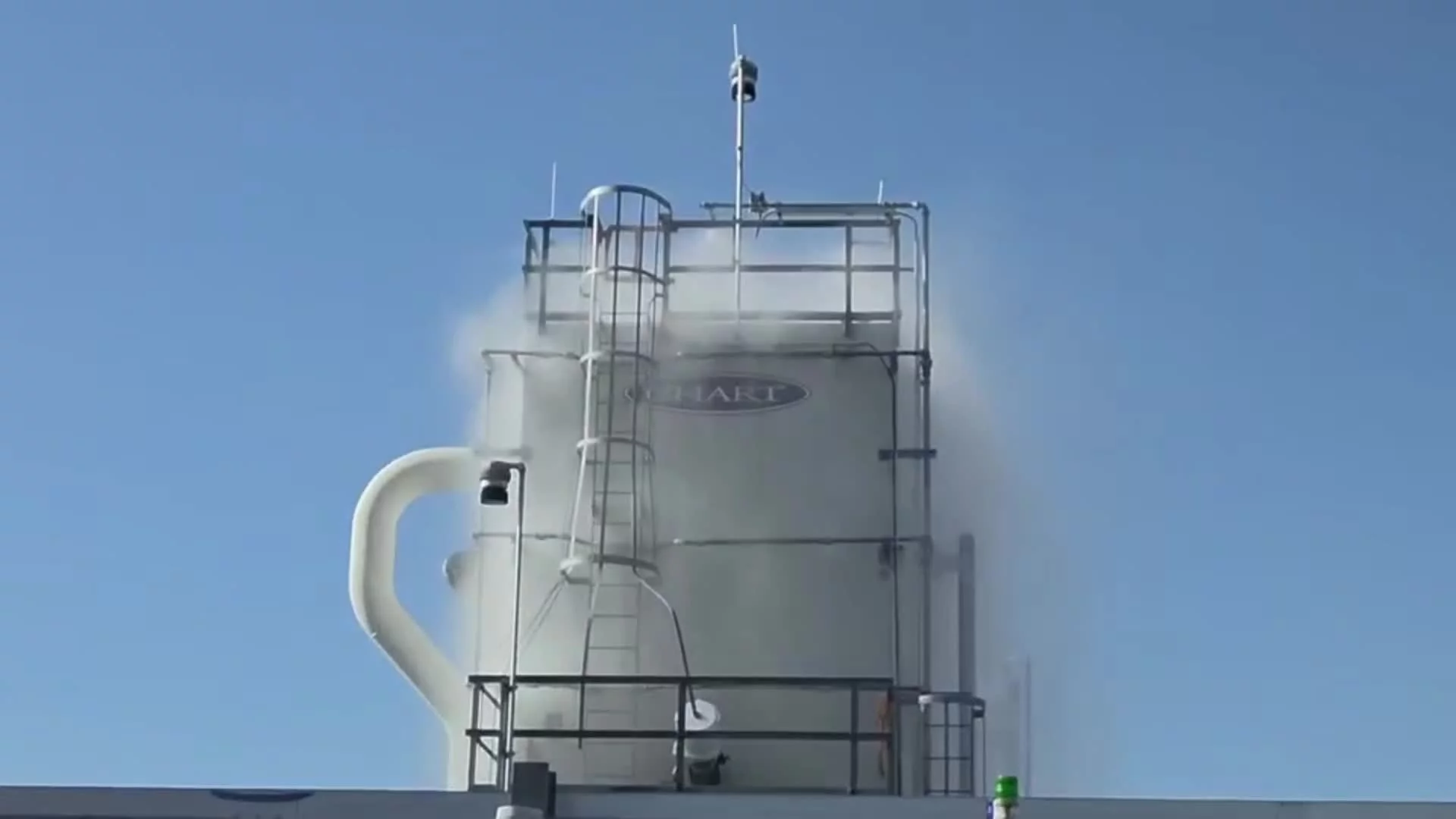
October is Fire Prevention Month!
The goal of Fire Prevention Month (and week October 4th - 10th) is to raise fire safety awareness and help protect homes and families. In 1922, the National Fire Protection Association (NFPA) named the second week of October Fire Prevention Week in commemoration of the Great Chicago Fire in 1871. Today we celebrate Fire Prevention Week and Month each October by sharing fire safety tips, raising awareness, and educating families, students, and communities across the United States with help from our partners and local fire departments. Every moment matters and that is why we encourage you to gather your family to discuss fire safety awareness.
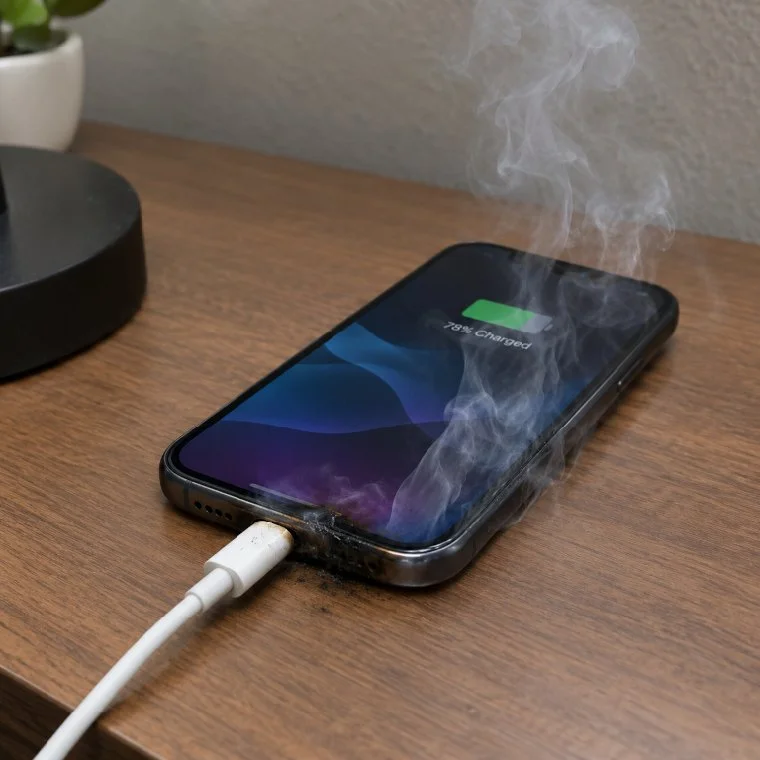
This year’s focus is on lithium-ion batteries. “Charge Into Fire Safety™. Safe Charging Is a Superpower” focuses on the everyday charging habits that can help reduce the risk of lithium-ion battery fires and keep homes and communities safer.
Use the cord and charger that came with your device or one approved by the manufacturer.
Why it matters: Using the wrong charger can damage the battery and increase the chance of fire. Cheap or o_-brand chargers may not meet important safety standards.
Charge on a hard, flat surface like a table, desk, or bare floor.
Why it matters: Devices and chargers create heat during normal charging. Soft surfaces like beds, pillows, and couches can trap heat and block airflow, which can cause a battery to overheat
Stop using your device if it feels very hot, starts to swell, smells strange, leaks, smokes, or makes popping or hissing sounds.
Why it matters: A damaged battery can overheat and start a fire.
Unplug your device when it is fully charged.
Why it matters: Leaving a device plugged in can increase heat and stress on the battery.
Charge large items like e-bikes, scooters, and power tools outside when possible. Do not block exits when charging.
Why it matters: These batteries are larger and store more energy. Fires can grow quickly if the battery fails. When on a plane, keep devices where you can see them while charging. Do not charge e-cigarettes or vapes on the plane. Tell a flight attendant if you notice a problem with your device, such as if it feels very hot, starts to swell, is smoking, or has a strange smell.
Why it matters: If a battery overheats or fails, it is important for the flight crew to be able to respond quickly.
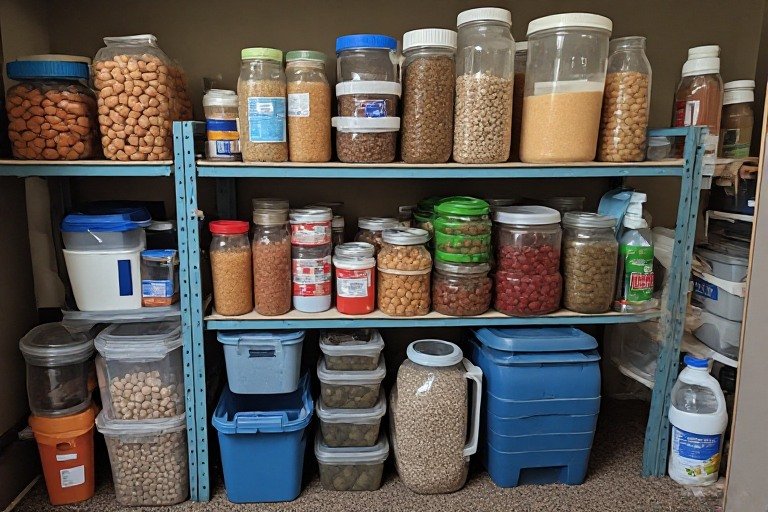
September is National Emergency Preparedness Month
FEMA’s Ready Campaign has observed National Preparedness Month since 2004 to encourage Americans to prepare for emergencies. The month is a great time to take small steps to make a big difference in being prepared.
Preparedness Starts at Home, the 2026 theme focuses on getting back to the essentials of preparedness. In addition to sharing the tips, messages and graphics you can find on Ready.gov, there are four key actions you can take to prepare for any disaster you may face:
Know your risk
Know what could happen where you and your family live. This helps you figure out what you need to do to stay safe. You can explore various disasters and emergencies on Ready.gov.
Make a family emergency plan
Making a plan early helps you reduce stress and save time and money. Follow four easy steps and create a free Family Emergency Plan quickly and easily with our fillable form.
Disasters are costly but preparing for them doesn’t have to be. Taking time to prepare now can help save you thousands of dollars and give you peace of mind when the next disaster or emergency occurs. Visit Ready.gov’s low and no-cost tip page to see how you can be better prepared without spending a lot of money.
Build an emergency supply kit
Having enough food, water and medicine can help you stay safe and comfortable until help arrives. Having what you need can also prevent injury and damage to your home.
Build a go-bag with all the essentials you might need, so you don’t need to scramble in an evacuation situation.
Find a list of supplies at Build A Kit.
Get involved in your community by taking action to prepare for emergencies
Emergencies can happen fast, and emergency responders aren’t always nearby. You may be able to save a life by taking simple actions immediately. You can learn these steps when you take a first aid class through many organizations in your community.
Join a Community Emergency Response Team program and get trained on basic disaster response skills, such as fire safety, light search and rescue, team organization and disaster medical operations.
Take a free online independent study course through FEMA’s Emergency Management Institute or a CPR course through the American Red Cross to learn more about how to help your community become more prepared.
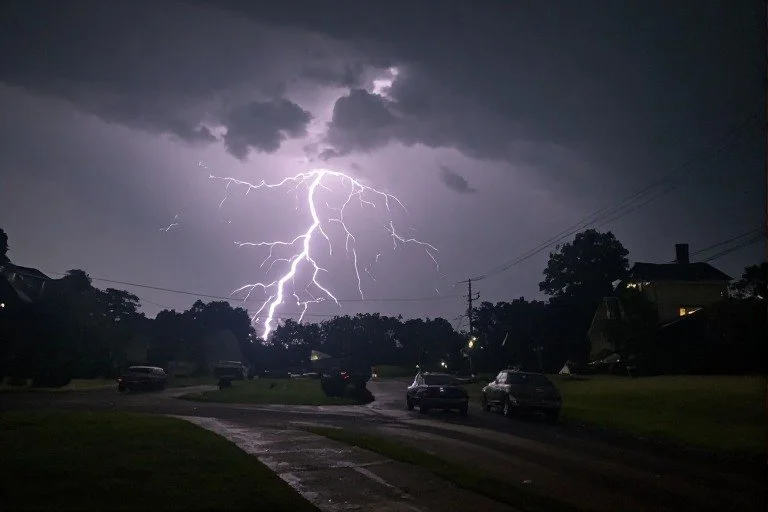
The end of summer can bring severe storms. During, and after, a severe storm, you may need supplies to keep your family safe and healthy. Remember that a severe storm could cut off your power and water supply. You also may not be able to drive because of damage to your car. Roads may be flooded or blocked.
That's why it's best to be prepared is to stock up on everything you might need now. Be sure to prepare the following:
An emergency medicine supply.
Emergency power sources such as flashlights (don't forget extra batteries).
Important documents, including medical documents, wills, passports, and personal identification.
A fire extinguisher.
Make sure your family knows where to find it and how to use it!
Read the National Fire Protection Association's tips for using fire extinguishers.
Get your home ready.
Clear your yard. Make sure there's nothing that could blow around during the storm and damage your home. Move bikes, lawn furniture, grills, propane tanks, and building material inside or under shelter.
Cover up windows and doors. Use storm shutters or nail pieces of plywood to the outside window frames to protect your windows. This can help keep you safe from pieces of shattered glass.
Be ready to turn off your power. If you see flooding, downed power lines, or you have to leave your home, switch your power off.
Fill clean water containers with drinking water. You'll want to do this in case you lose your water supply during the storm. You can also fill up your sinks and bathtubs with water for washing.
Check your carbon monoxide (CO) detector's battery to prevent CO poisoning.
Get your car ready.
Make sure your car is ready before the storm hits.
Fill your car's gas tank.
Move cars and trucks into your garage or under cover.
Always keep an emergency kit in your car.
Visit Ready.gov for information on how to prepare your car and what to include in your kit.
If you don't own a car, consider making plans with friends or family or call authorities to get a ride if you need to evacuate.
Get your family and pets ready.
Go over your emergency plan with your family.
Keep checking for updates about the storm. Watch TV, listen to the radio, or check online.
Call the hospital, public health department, or the police about special needs. If you or a loved one is older or disabled and won't be able to leave quickly, get advice on what to do.
Put pets and farm animals in a safe place. Read more about pet safety during an emergency.
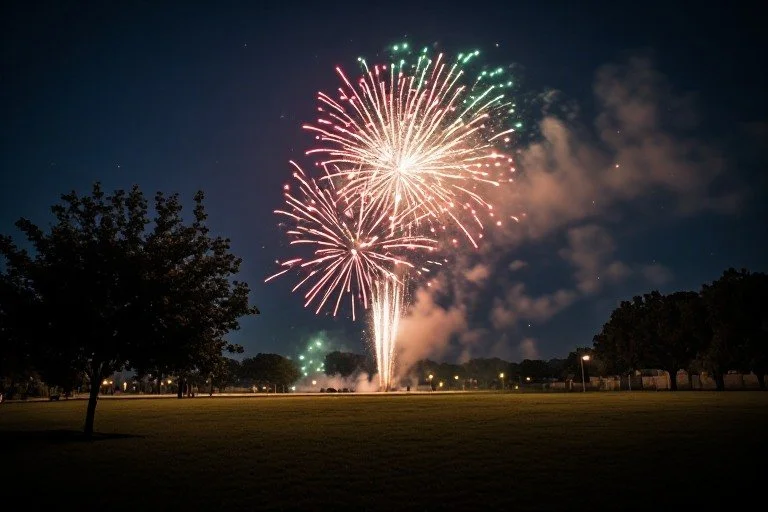
Fireworks Safety
Watch Professionally: Attend professional public displays. Many areas heavily restrict or ban consumer fireworks due to severe wildfire risks.
Smart Handling: Never allow children to ignite fireworks or handle sparklers, which can burn at over 2000 Degrees
Zone & Extinguish: Light fireworks on flat, fireproof surfaces at least 25 feet away from homes, dry vegetation, and flammable materials. Keep a garden hose or bucket of water nearby.
No Re-lighting: If a firework fails to go off, wait at least 20 minutes before soaking it in a bucket of water. Never try to re-light a "dud".
Wear Protection: Anyone handling fireworks or standing nearby should wear protective eyewear.
Be Courteous and Smart: Never point, throw, or shoot fireworks at another person or animal. Always light them one at a time and step back to a safe distance immediately.
Pet Safety
Loud booms and bright flashes cause significant stress and panic for animals.
Keep all pets safely indoors, ideally in a quiet, interior room with the TV or radio on to mask the sounds.
Ensure your pets are wearing up-to-date identification tags or are microchipped in case they get startled and run off.
Local Regulations & Requirements
Always verify the laws in your specific area, as regulations vary heavily by city and county. Many municipalities restrict the sale and use of consumer fireworks to specific dates and hours around major holidays or ban them completely especially during periods of high fire danger. Check with your local fire department or city government office to ensure you are compliant with local ordinances.
What to Do in an Emergency
Burns: Immediately cool the burn with cool (not ice-cold) water for several minutes. Cover the area with a clean, dry cloth and seek medical attention if it is severe.
Eye Injuries: Do not rub the eye, rinse it with water, or apply any ointments. Gently cover the eye with a rigid shield (like the bottom of a paper cup) and seek emergency medical care immediately.
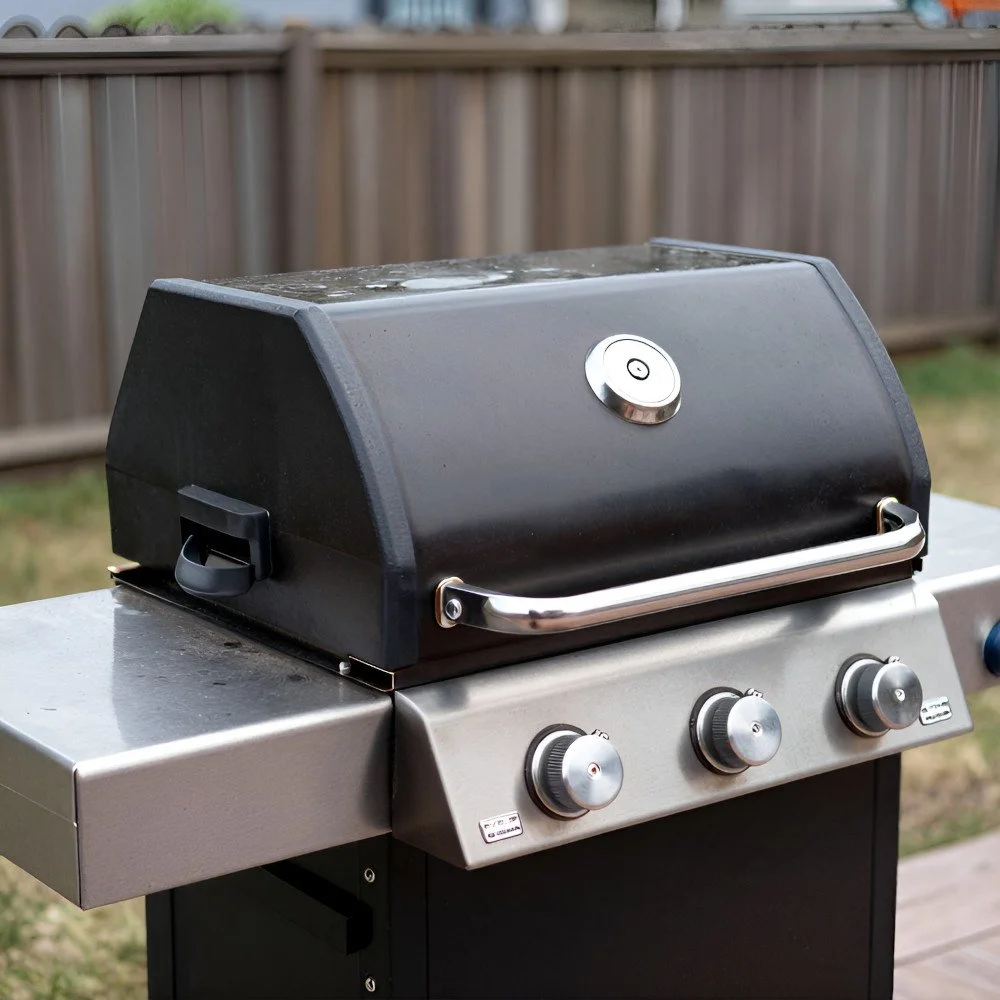
Grilling accidents cause over 22,000 emergency room visits and over 9000 home fires each year. Most injuries are thermal burns from flare-ups or contact with hot, unattended grills. Common causes include gas leaks, improper lighting, grease fires, and using grills in enclosed spaces.
Common Causes and Dangers
Gas Grill Leaks/Breaks: Gas grills cause more fires, often due to leaky hoses or improper connections.
Improper Lighting: Using too much lighter fluid or adding it to a hot fire causes dangerous flare-ups.
Grease Buildup: Failure to clean the grill leads to intense grease fires.
Unattended Grills: Leaving a grill on allows fires to grow unnoticed.
Defective Equipment: Recalls for faulty valves or hoses have caused accidents.
Wire Bristles: Wire brush bristles can fall onto food and cause injuries to the throat or esophagus.
Key Safety Tips
Location: Only use grills outside, at least 10 feet away from homes, railings, and trees.
Check Leaks: Use a soap-and-water solution to check propane connections for leaks.
Never Leave Unattended: Keep a close eye on the grill while cooking.
Clean Regularly: Remove grease buildup from the grill and tray.
Safe Lighting: If the flame goes out, turn off the gas and wait 5 minutes before relighting.
Keep Kids Safe: Establish a 3-foot "safe zone" around the grill to protect children and pets.
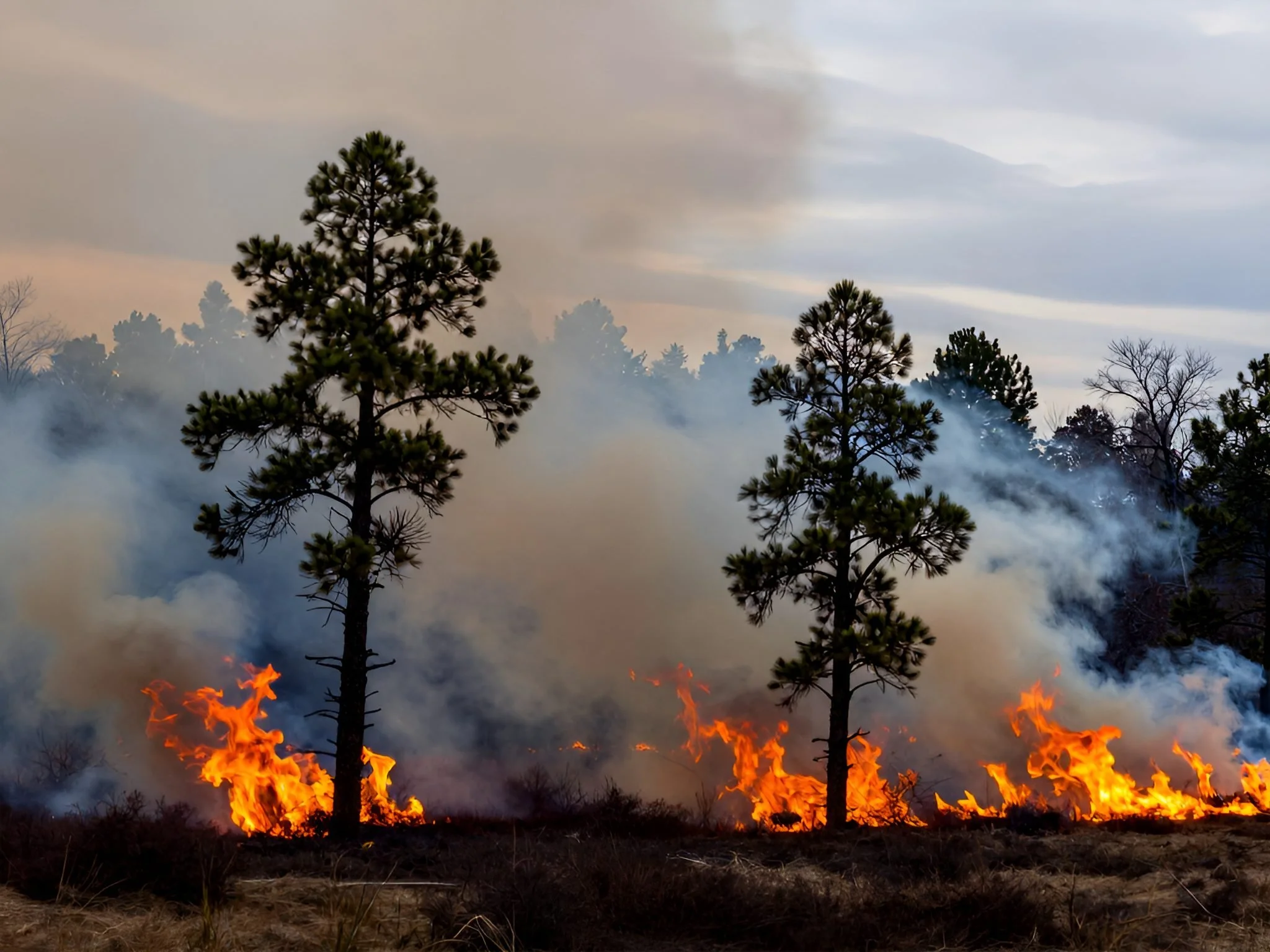
May is dedicated to National Wildfire Awareness, focusing on preventing human-caused fires through defensible space creation, proper debris burning, and equipment maintenance. Key actions include removing dead vegetation, cleaning roofs, and ensuring homes have 30 feet of buffer zone. May is also National Electrical Safety Month.
Wildfire Prevention & Preparedness
Defensible Space: Create a 30-foot "buffer zone" around your home, removing dead plants, debris, and flammable materials.
Home Hardening: Use fire-resistant materials, screen under porches with 1/8-inch wire mesh, and move wood piles at least 30 feet away.
Campfire Safety: Only build fires in designated rings, and use the "drown, stir, drown, and feel" method to ensure they are cold to the touch.
Vehicle & Tool Safety: Avoid parking or idling in dry grass, as exhaust systems can spark fires.
Burn Restrictions: Check local regulations before burning debris and never do so on windy days.
Spring Fire Safety Tips
Grilling: Inspect grills for propane leaks or grease buildup before the first use.
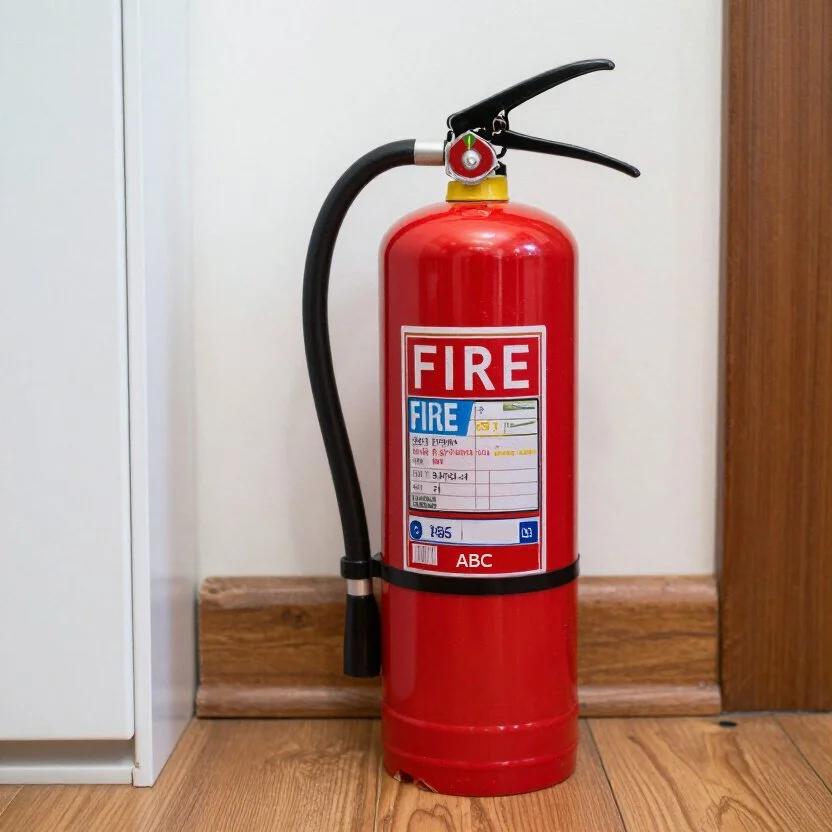
April fire prevention focuses on spring cleaning to remove fire hazards, testing indoor smoke alarms and checking fire extinguishers.
Key Extinguisher Inspection Steps:
Pressure Gauge: The needle must be in the green, "charged" zone. If in the red, the extinguisher needs service.
Physical Condition: Check for rust, corrosion, dents, or damage to the cylinder.
Tamper Seal & Pin: Ensure the plastic seal is unbroken and the metal pin is secured.
Nozzle: Check for blockages, such as insects or debris.
Accessibility: Confirm it is clearly visible and easy to reach.
Weight Check: If it feels light, it may have leaked.
Tagging: Initial and date the tag on the back to document the monthly check.
Maintenance and Replacement
Monthly: Perform a visual inspection.
Annually: Ensure a professional, licensed technician has inspected it.
12-Year Interval: Most dry chemical extinguishers require a hydrostatic test (recharge or replace) every 12 years.
If Used: Replace or recharge immediately, even if used only slightly.
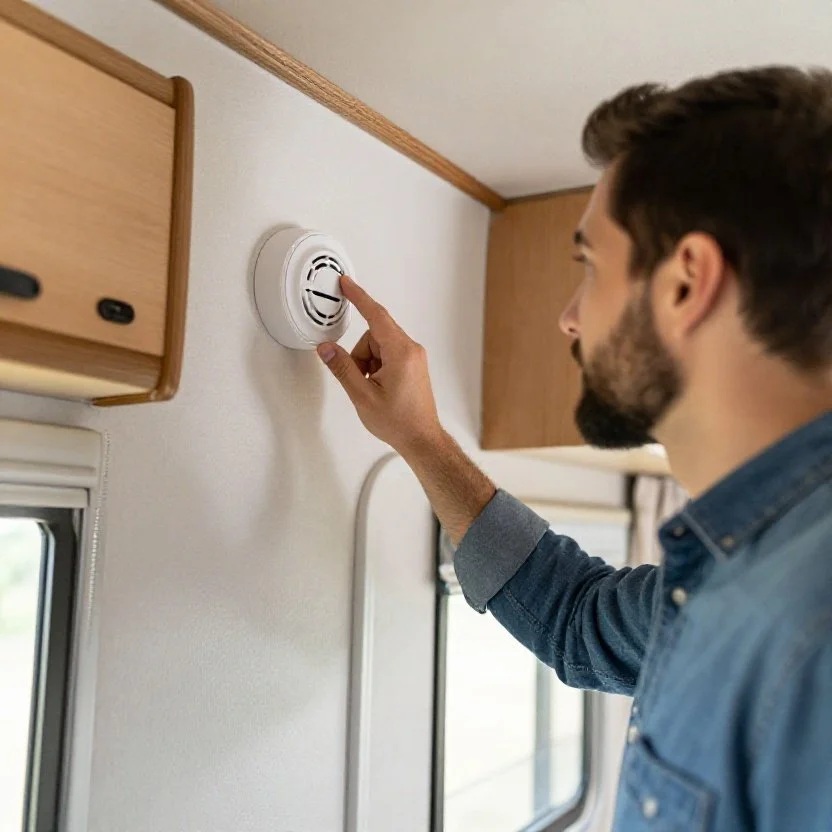
With warm weather approaching now is a good time to test the smoke detectors and CO detectors in RV’s. It’s also a good time to replace the batteries. Reviewing campfire rules with family members is a good idea so it’s fresh in everyone’s mind.
Key Campfire Safety Rules
Check Restrictions: Always verify if fires are allowed in your area, particularly during dry, windy conditions.
Location: Use established, designated fire rings. If none exist, build a pit on dirt or rock, at least 15 feet away from tents, shrubs, and low-hanging branches.
Preparation: Clear a 10-foot diameter circle around the pit down to the soil, removing leaves and debris.
Size: Keep the fire small, manageable, and within the pit.
Supervision: Never leave a campfire unattended, even for a few minutes.
Behavior: Do not run or play near the fire, and keep children at least 3 feet away.
Extinguishing: Use the "soak, stir, and soak" method. Drown with water, stir with a shovel, and soak again. The ashes should be cool to the touch before leaving.
Tools: Always keep a shovel and a bucket of water or sand nearby.
Potential Hazards
Wildfires: Unattended or improperly extinguished fires are a leading cause of forest fires.
Explosions: Never burn pressurized containers (aerosol cans) or glass, which can explode or shatter.
Hidden Coals: Leftover hot coals can ignite, even hours later. Always ensure the pit is cold.
Toxic Fumes: Avoid burning garbage or aluminum, as this can release harmful toxins.
Essential Safety Tools
Water Bucket: For extinguishing.
Shovel: For stirring and covering with dirt/sand.
Fire Ring: To contain the fire.
Water Source: Readily available nearby.
February fire prevention focuses on "Putting a Freeze on Winter Fires," as December through February are peak months for heating-related fires. Key topics include maintaining 3-foot clearance around space heaters and fireplaces, annual chimney inspections, proper ash disposal, and installing carbon monoxide alarms.
Top February Fire Prevention Topics:
Heating Safety: Keep space heaters at least 3 feet from anything that can burn, such as furniture, blankets, or curtains. Never use an oven to heat your home.
Space Heater Precautions: Turn off portable heaters when leaving a room or going to bed. Plug only one heat-producing appliance into an outlet.
Fireplace & Chimney Maintenance: Have chimneys and vents inspected and cleaned annually by a professional. Use a sturdy screen to prevent sparks from flying into the room.
Carbon Monoxide (CO) Safety: Install CO alarms near all sleeping areas. Since February is a high-risk month for CO incidents, ensure vents for furnaces and gas appliances are free of snow and ice.
Candle Safety: Keep candles at least 1 foot away from flammable items and never leave them unattended.

Protek Fire and Systyems would like to wish everyone a safe and Happy New Year!

Driven by curiosity and built on purpose, this is where bold thinking meets thoughtful execution. Let’s create something meaningful together.